Tina Anderson
Visual Architect & Digital Scenographer
I build sacred machinery for worlds that have lost their Сreator.
My practice is grounded in a research method that, to date, has not been documented in contemporary AI art: I work directly from primary historical sources — in Latin, Old French, and early German — extracting visual and philosophical content to generate imagery of scenes that were described by the great thinkers of the past, but never given visual form.
OSTEN Biennial Skopje 2026 — selected participant.
Sotheby's Institute of Art, London.
Member, Techpressionism — International Art Movement
Exhibits internationally.
London · Milan · Osaka · Madrid · Paris · Mexicali · Manila
I build sacred machinery for worlds that have lost their Сreator.
My practice is grounded in a research method that, to date, has not been documented in contemporary AI art: I work directly from primary historical sources — in Latin, Old French, and early German — extracting visual and philosophical content to generate imagery of scenes that were described by the great thinkers of the past, but never given visual form.
OSTEN Biennial Skopje 2026 — selected participant.
Sotheby's Institute of Art, London.
Member, Techpressionism — International Art Movement
Exhibits internationally.
London · Milan · Osaka · Madrid · Paris · Mexicali · Manila
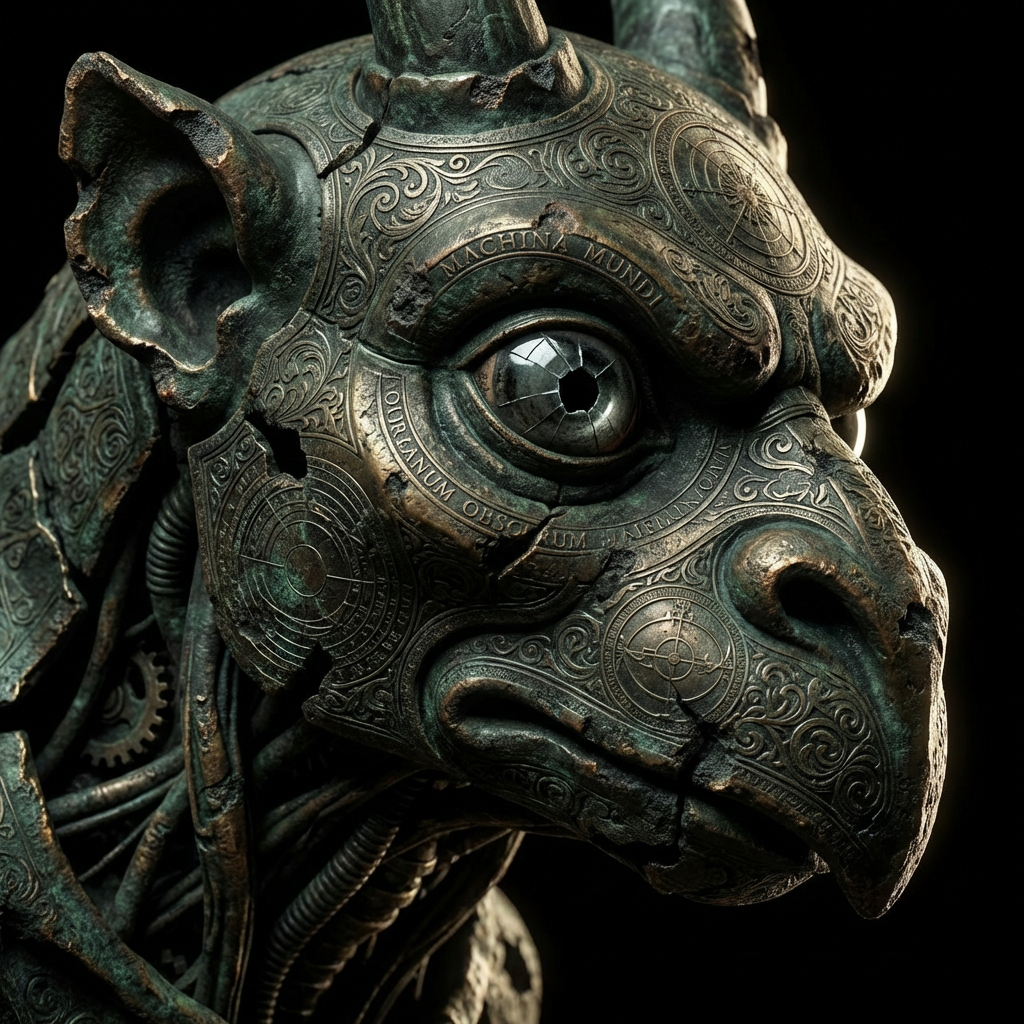
I conceive the world as a divine mechanism — built by a Creator who left without leaving instructions.
What interests me is not the moment of departure. It is what comes after: form that survives, connection that doesn't. The machine still runs. The signal is gone.
My work exists in two registers.
The first is the archive — the Creator's workshop, where prototypes were conceived and never released into the world.
Impossible Objects: forms that existed only in the space between intention and matter, between the divine blueprint and physical existence.
Some were abandoned mid-process. Some were simply never permitted to arrive. This archive is a reliquary — built in the tradition of Athanasius Kircher, whose encyclopedic cosmologies treated the universe as a sacred instrument, each mechanism a proof of divine authorship.
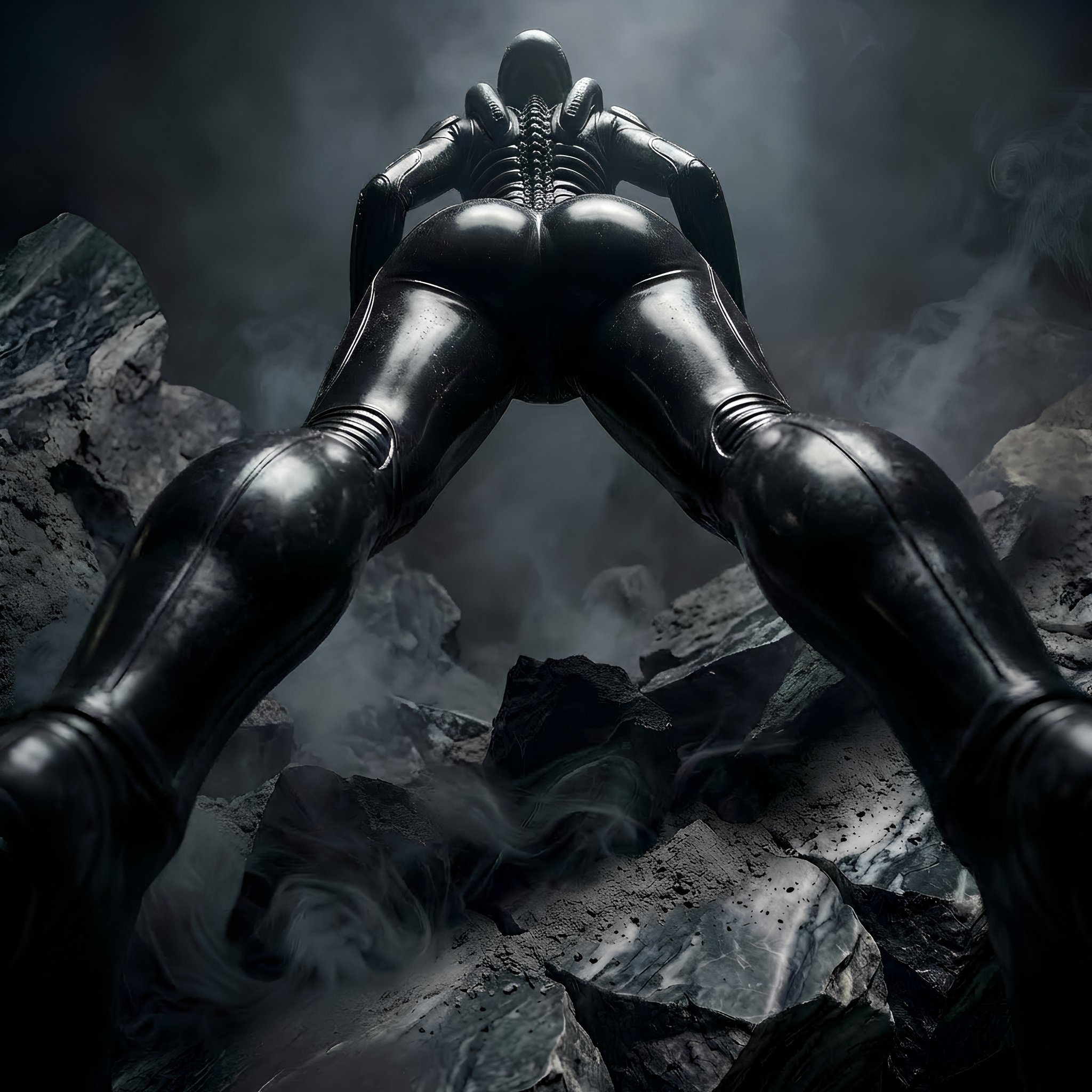
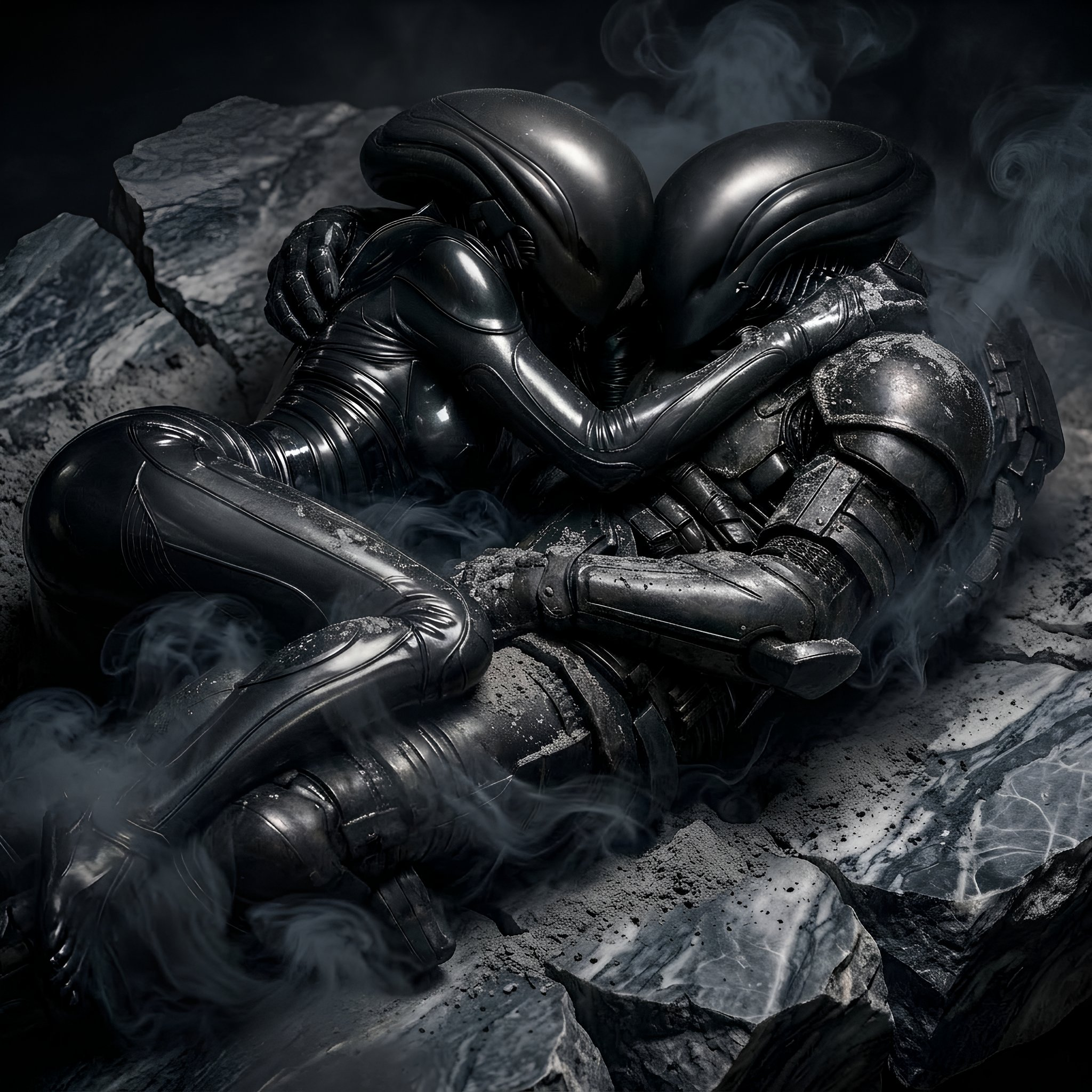
The second is what happened after Machie Hell. Machines built to sustain a bond between worlds — that have since lost it. Still running. Overheated. Purposeless in the original sense, yet unable to stop. In my cosmology, entropy is not a physical law. It is a spiritual condition. What remains is Machine Hell. Abandoned. Still running.
My work exists in two registers.
The first is the archive — the Creator's workshop, where prototypes were conceived and never released into the world.
Impossible Objects: forms that existed only in the space between intention and matter, between the divine blueprint and physical existence.
Some were abandoned mid-process. Some were simply never permitted to arrive. This archive is a reliquary — built in the tradition of Athanasius Kircher, whose encyclopedic cosmologies treated the universe as a sacred instrument, each mechanism a proof of divine authorship.
The second is what happened after Machie Hell. Machines built to sustain a bond between worlds — that have since lost it. Still running. Overheated. Purposeless in the original sense, yet unable to stop. In my cosmology, entropy is not a physical law. It is a spiritual condition. What remains is Machine Hell. Abandoned. Still running.

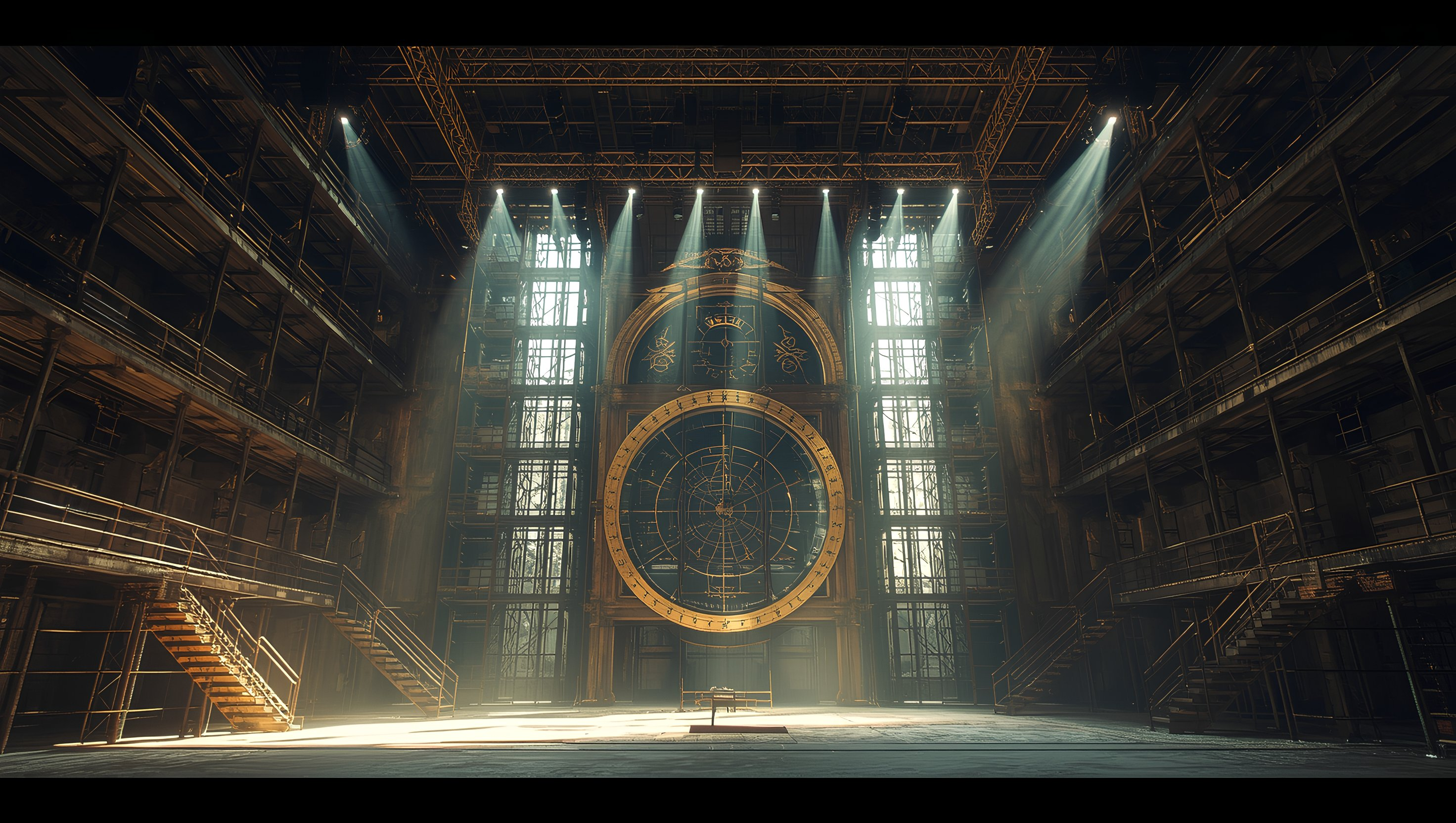
Architectural mechanisms, optical chambers, ritual machines
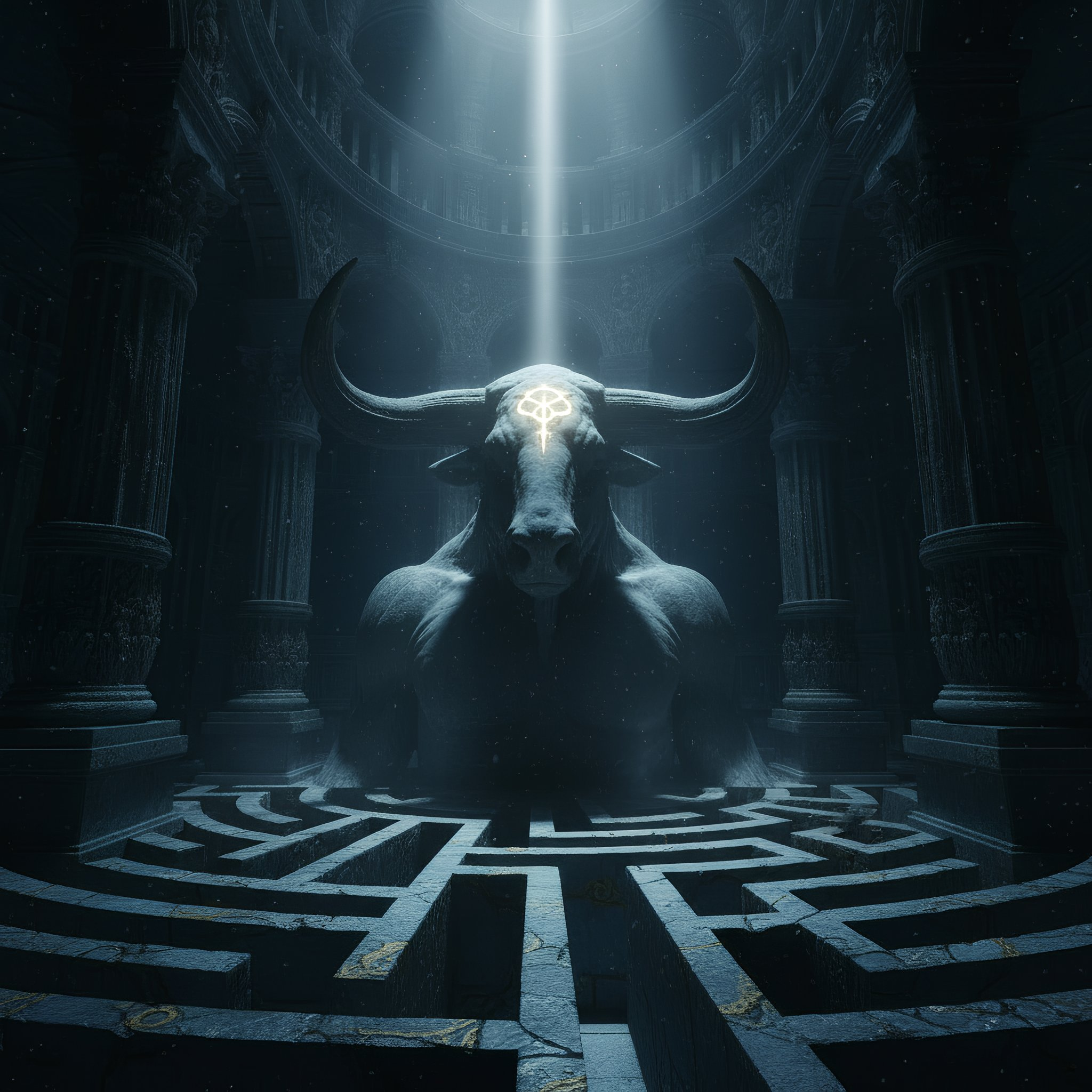
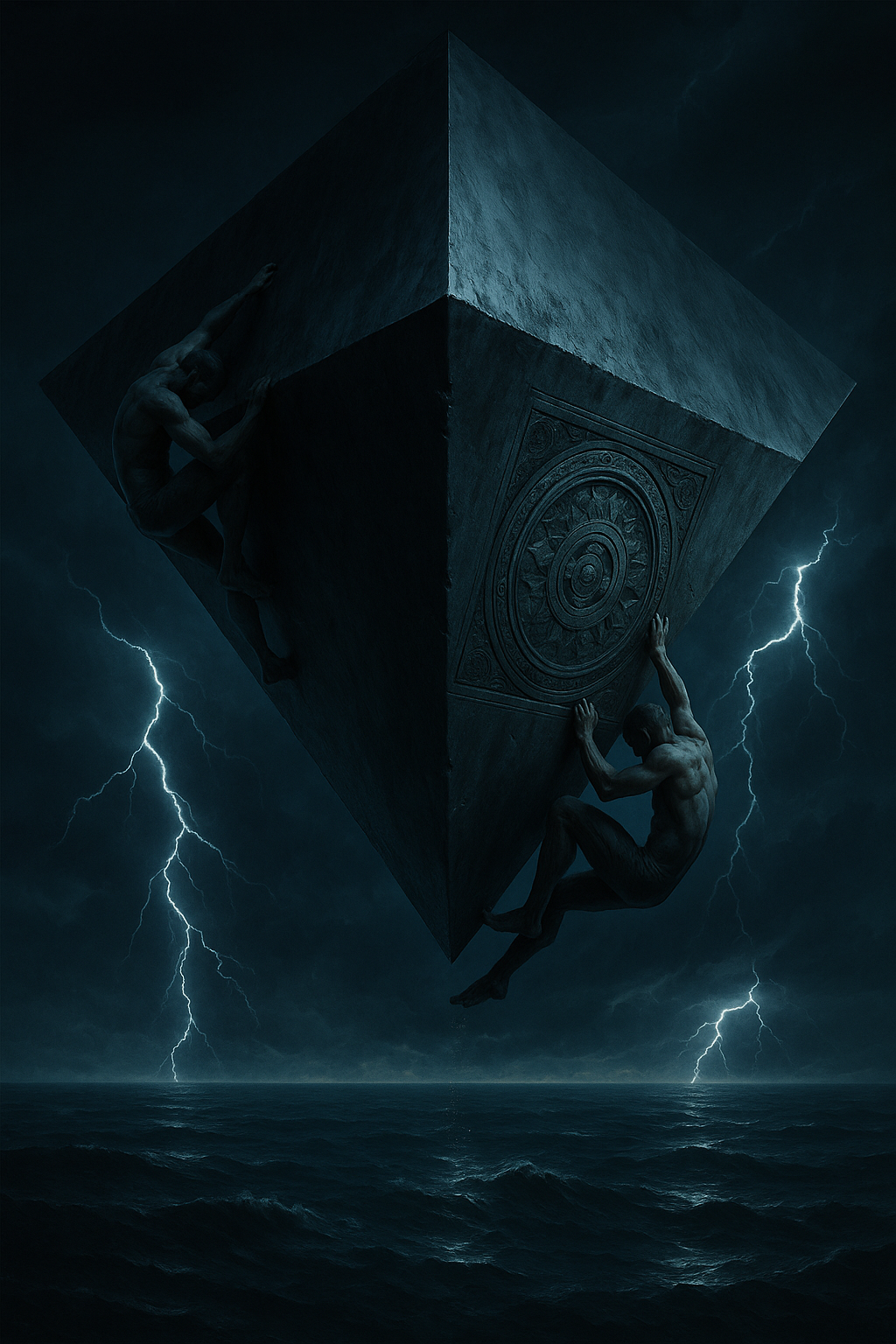
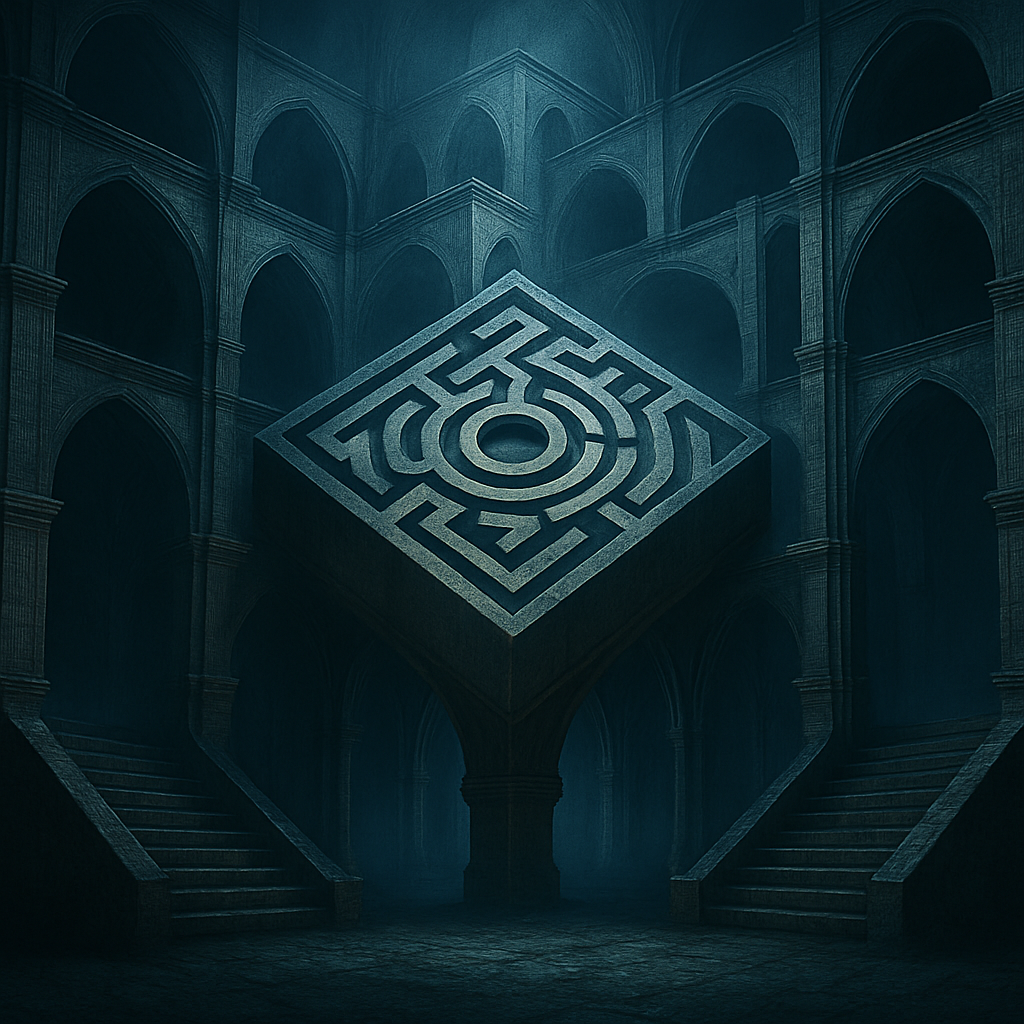
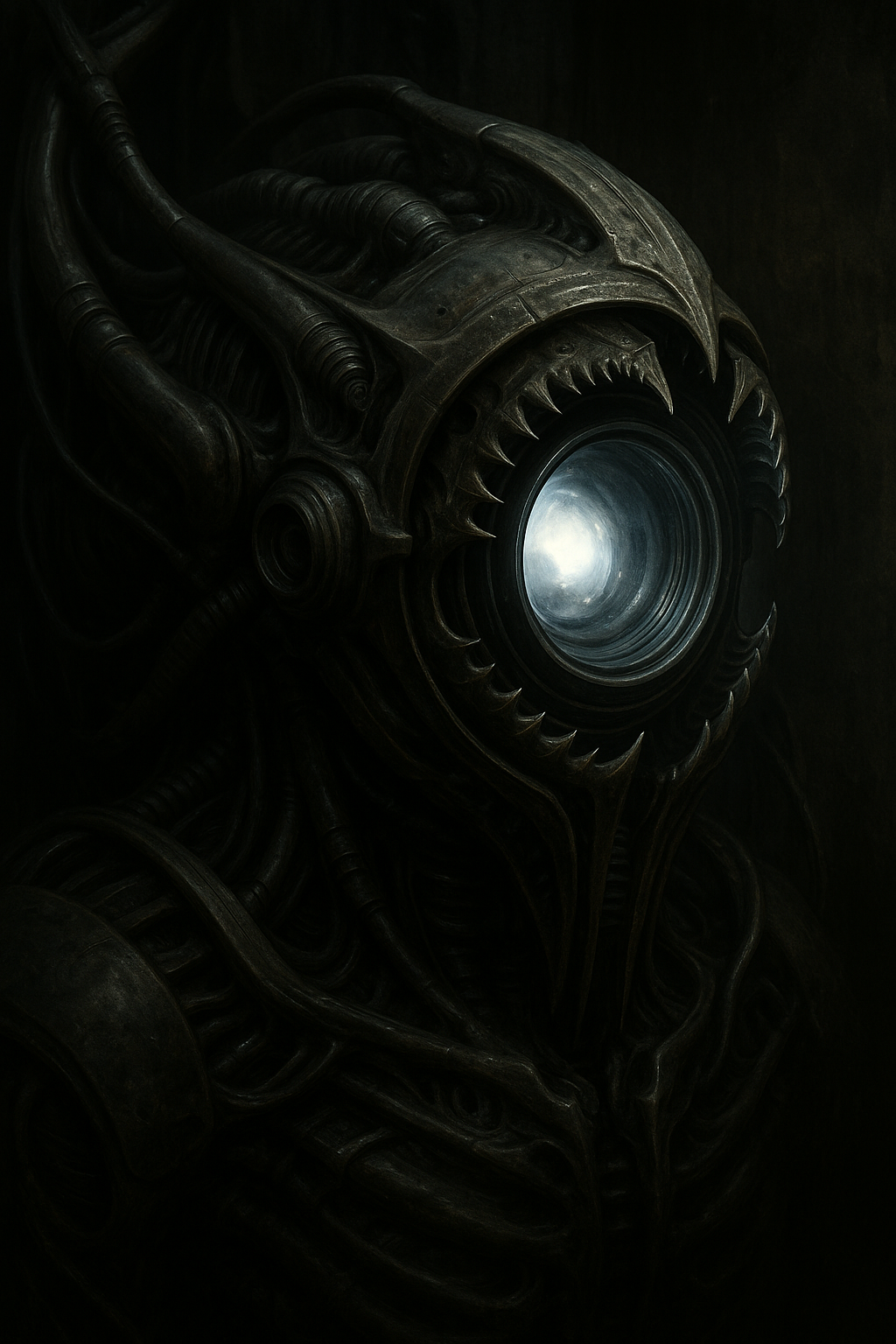
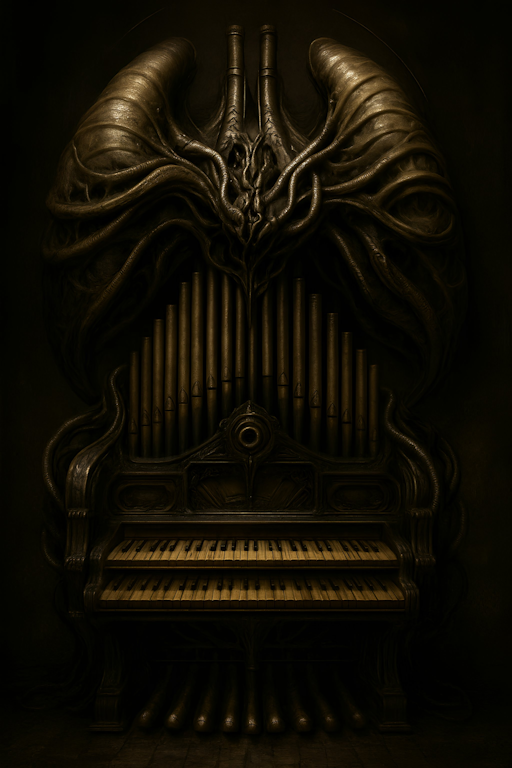
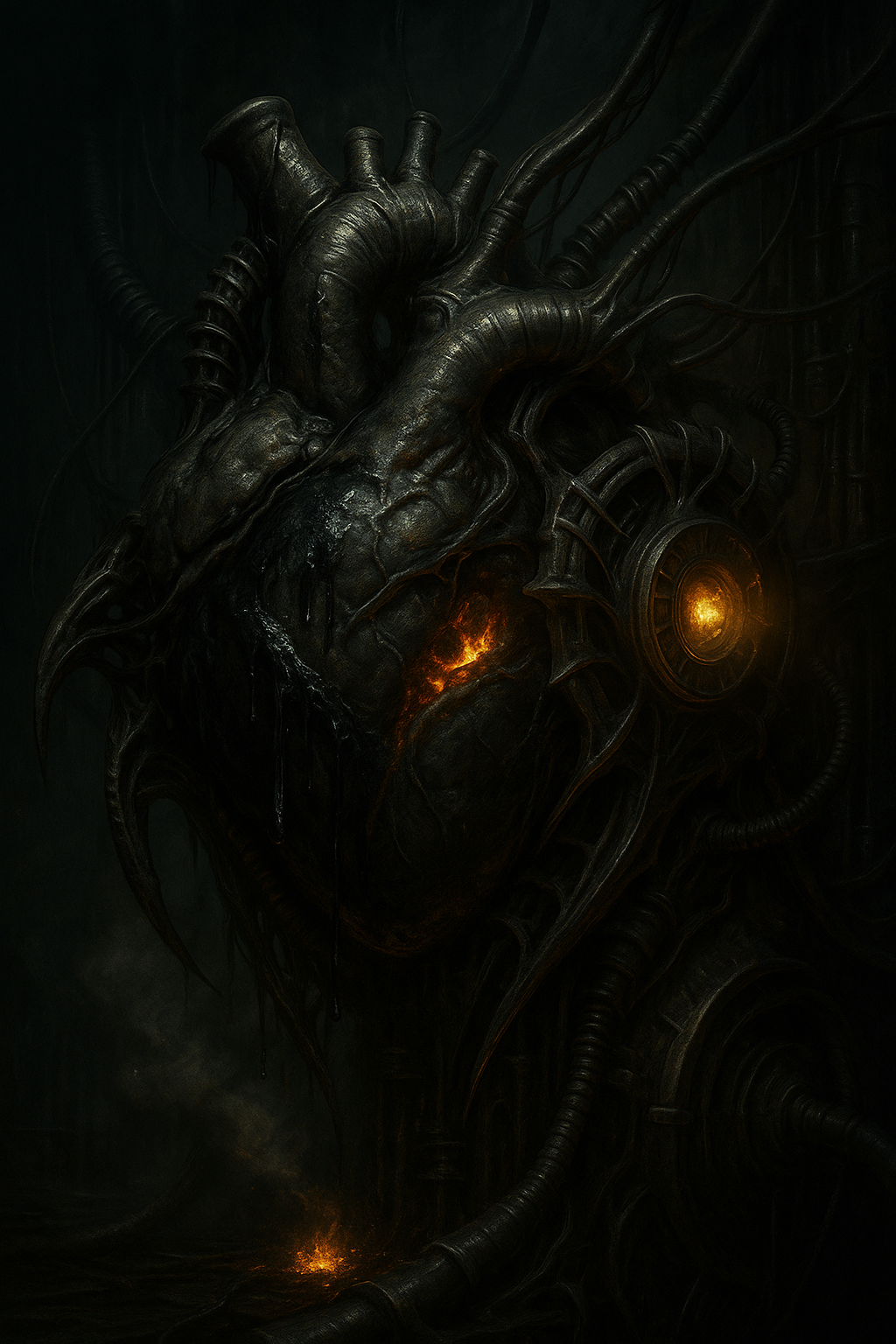
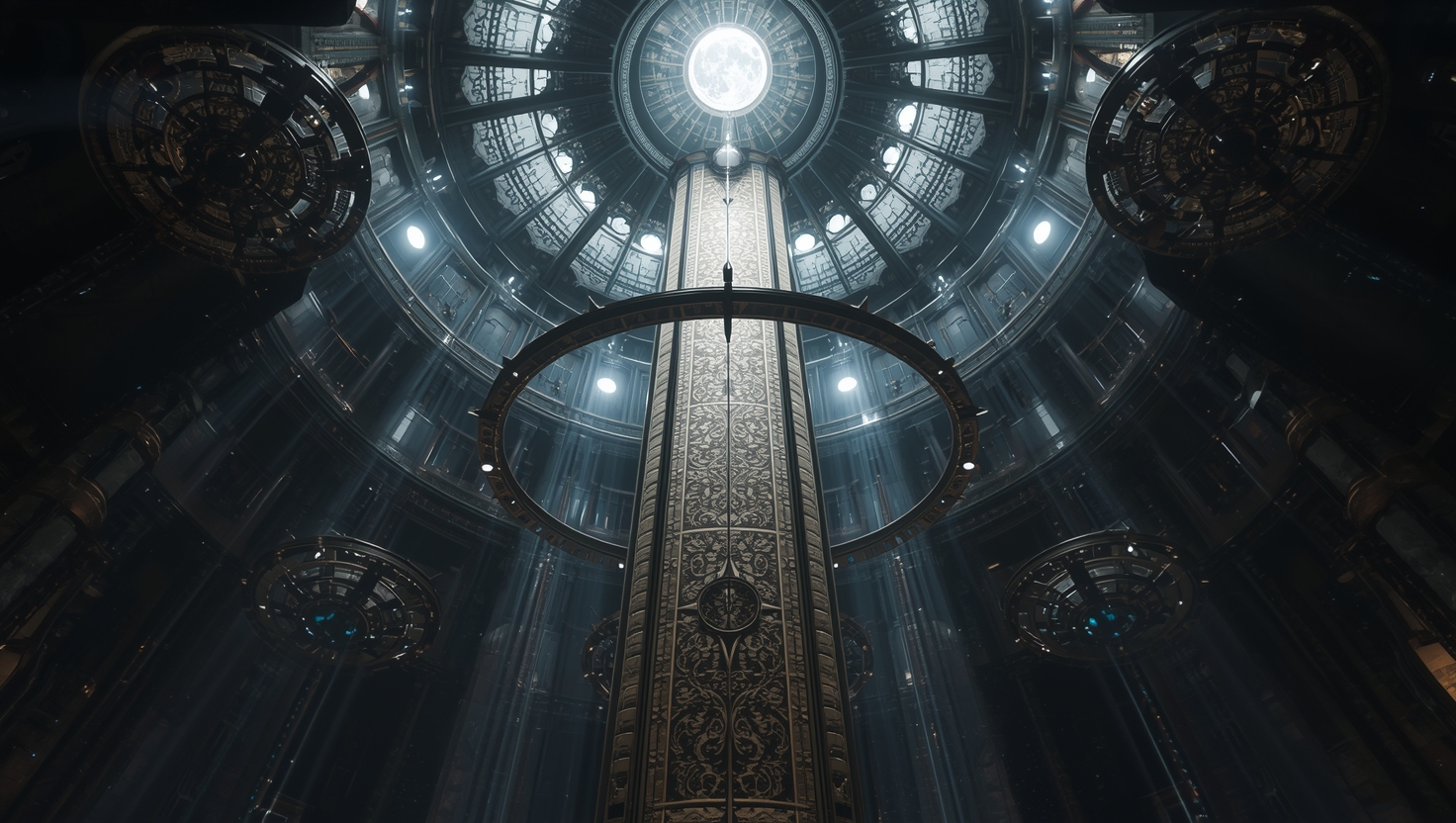
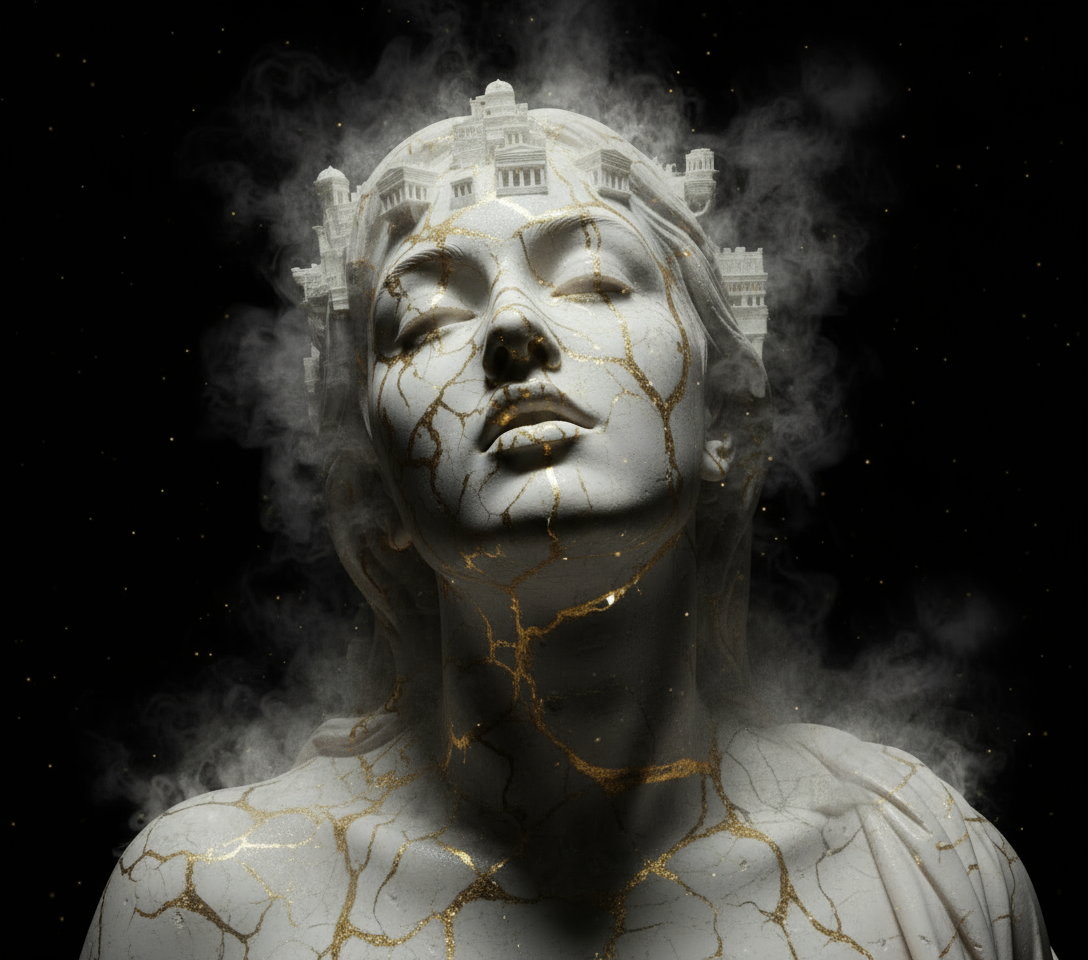
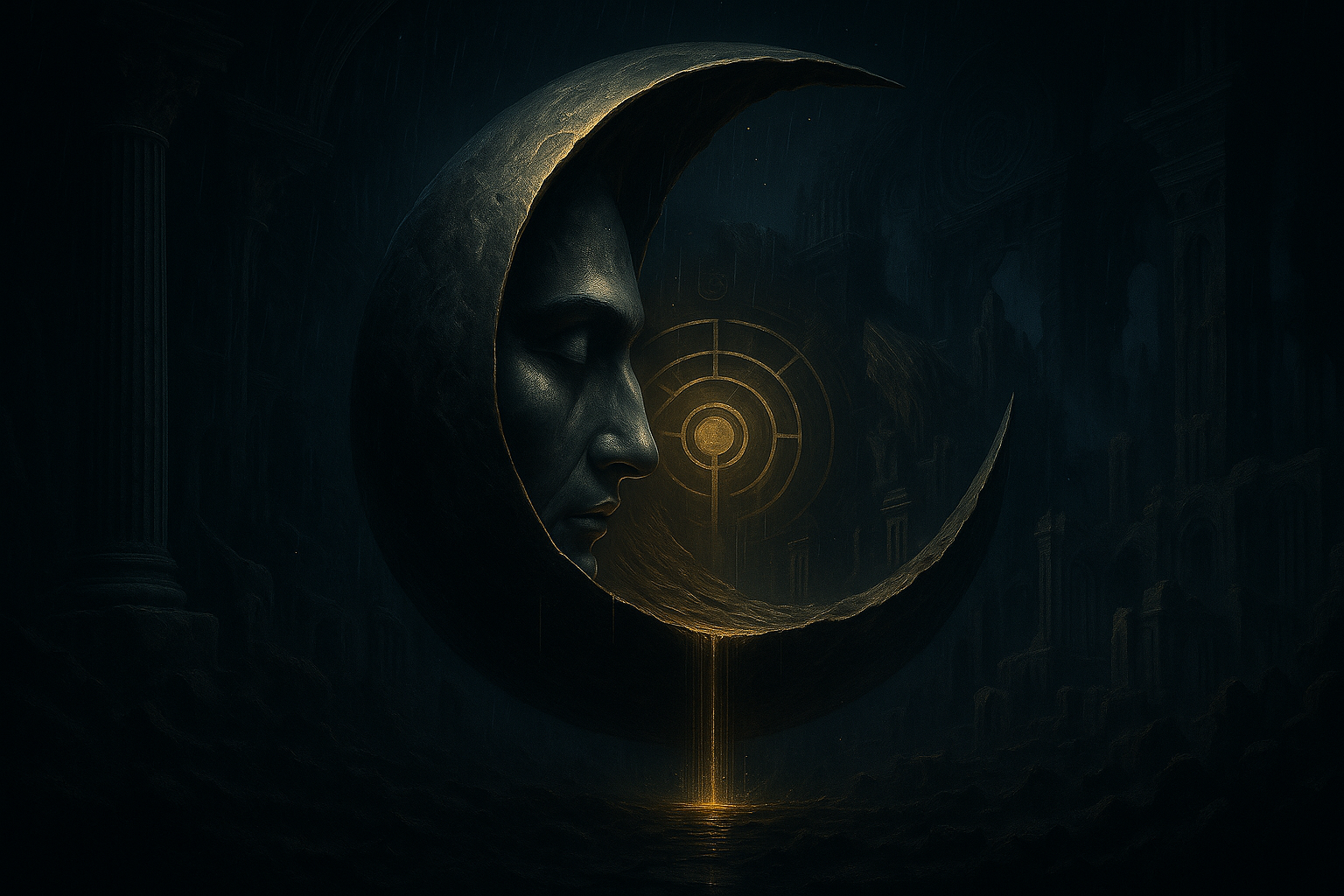
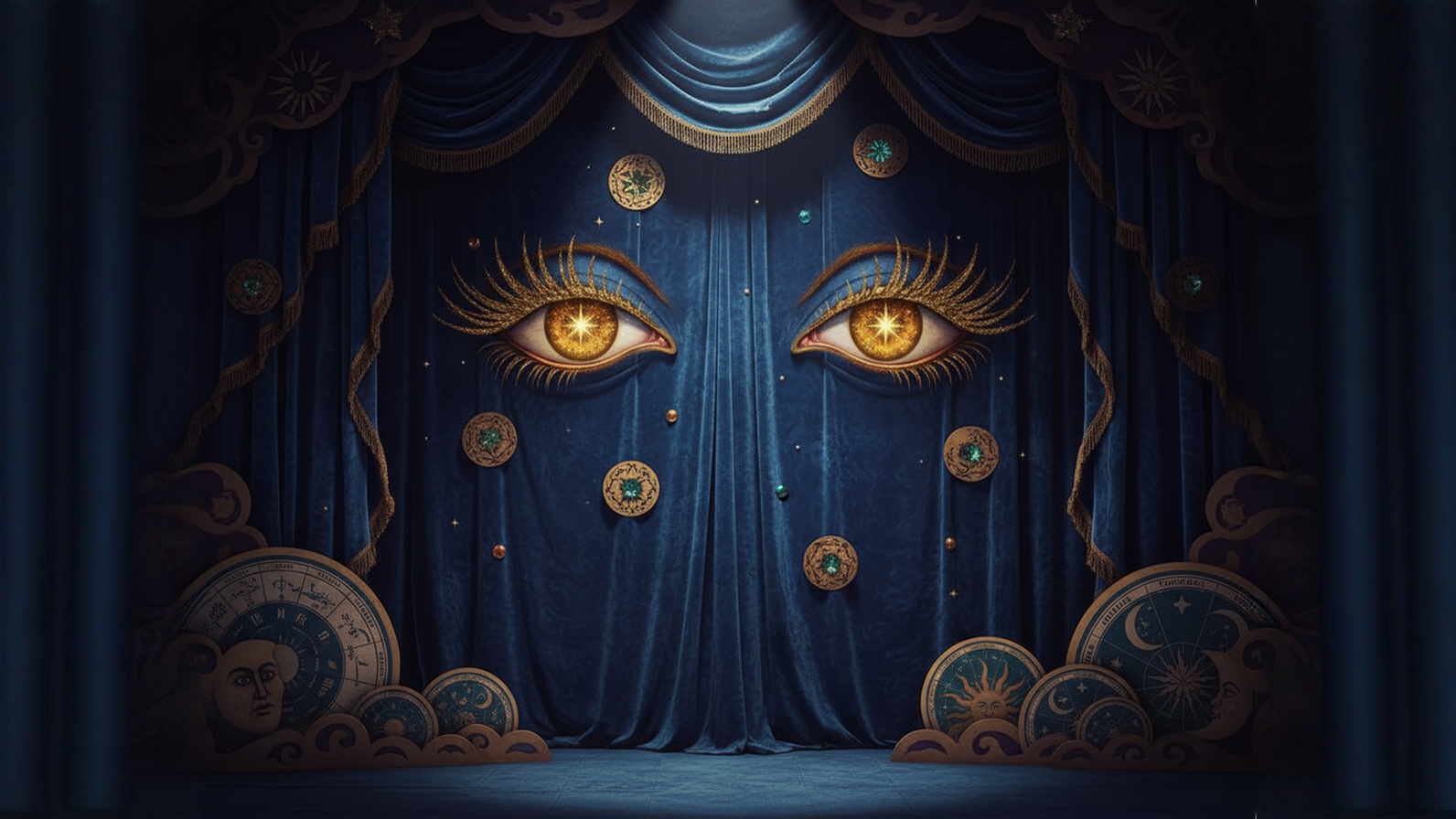
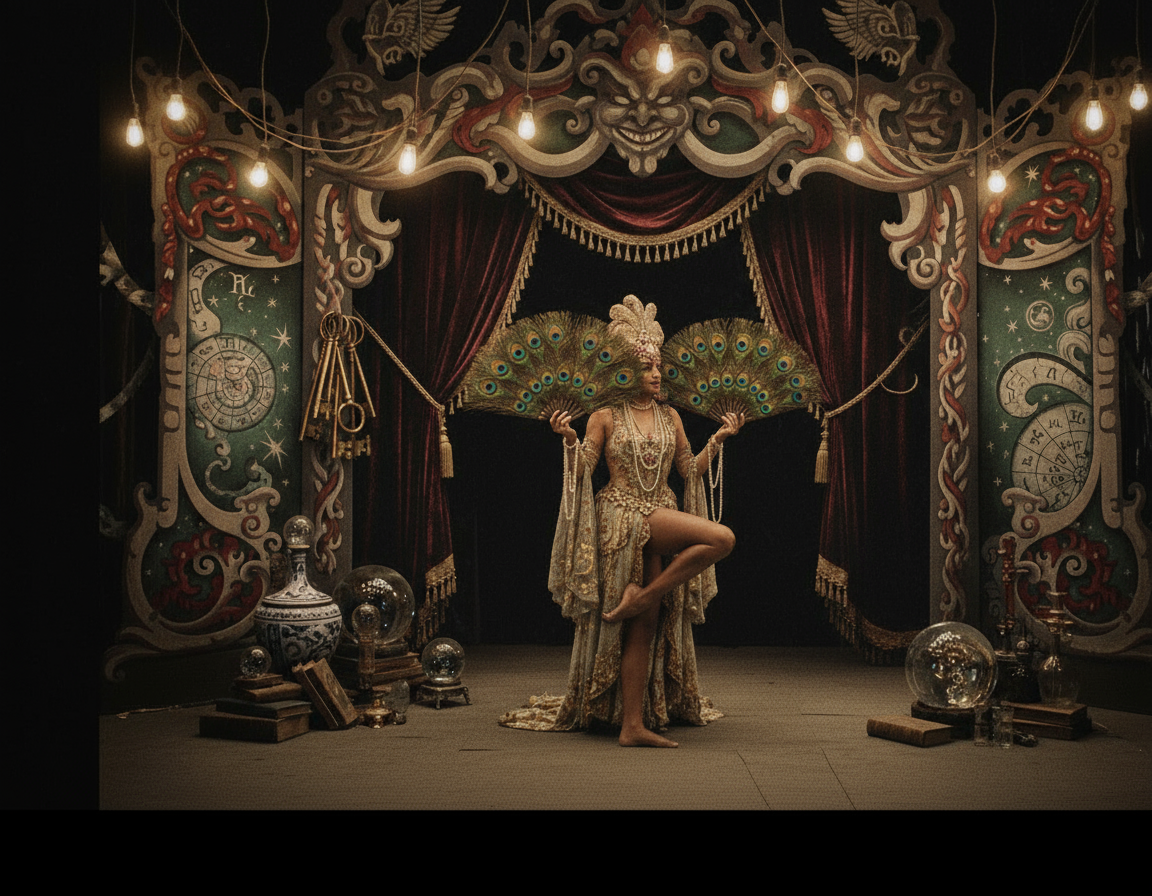
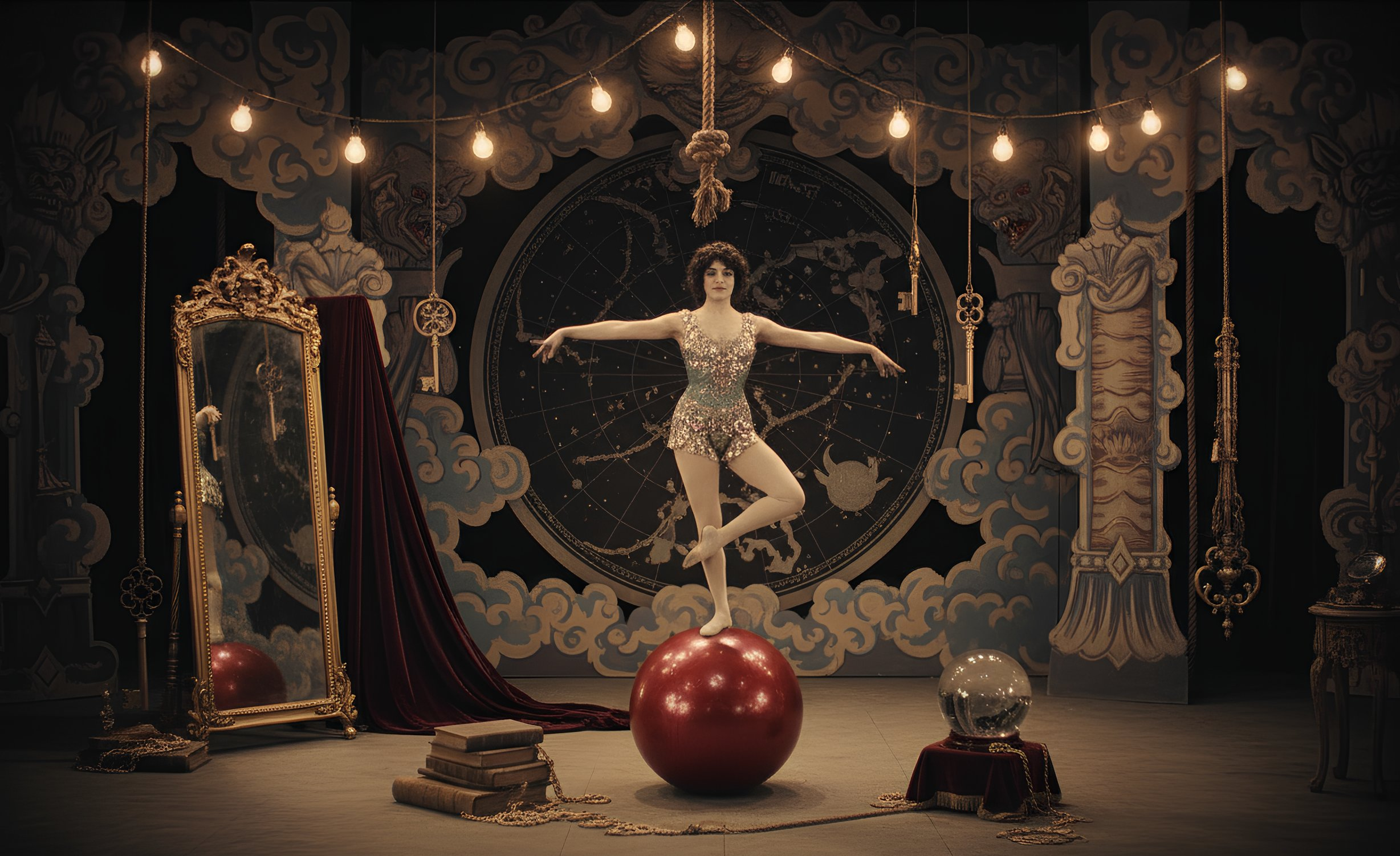
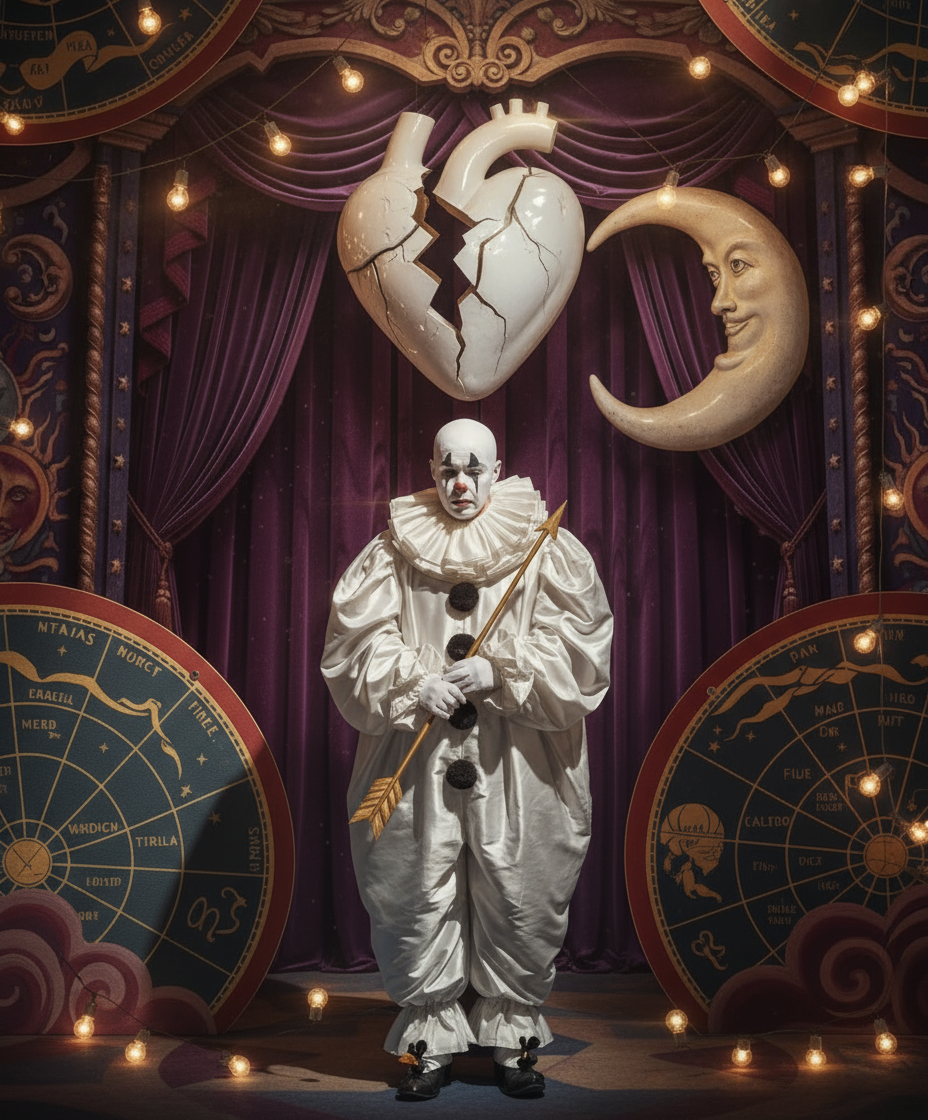
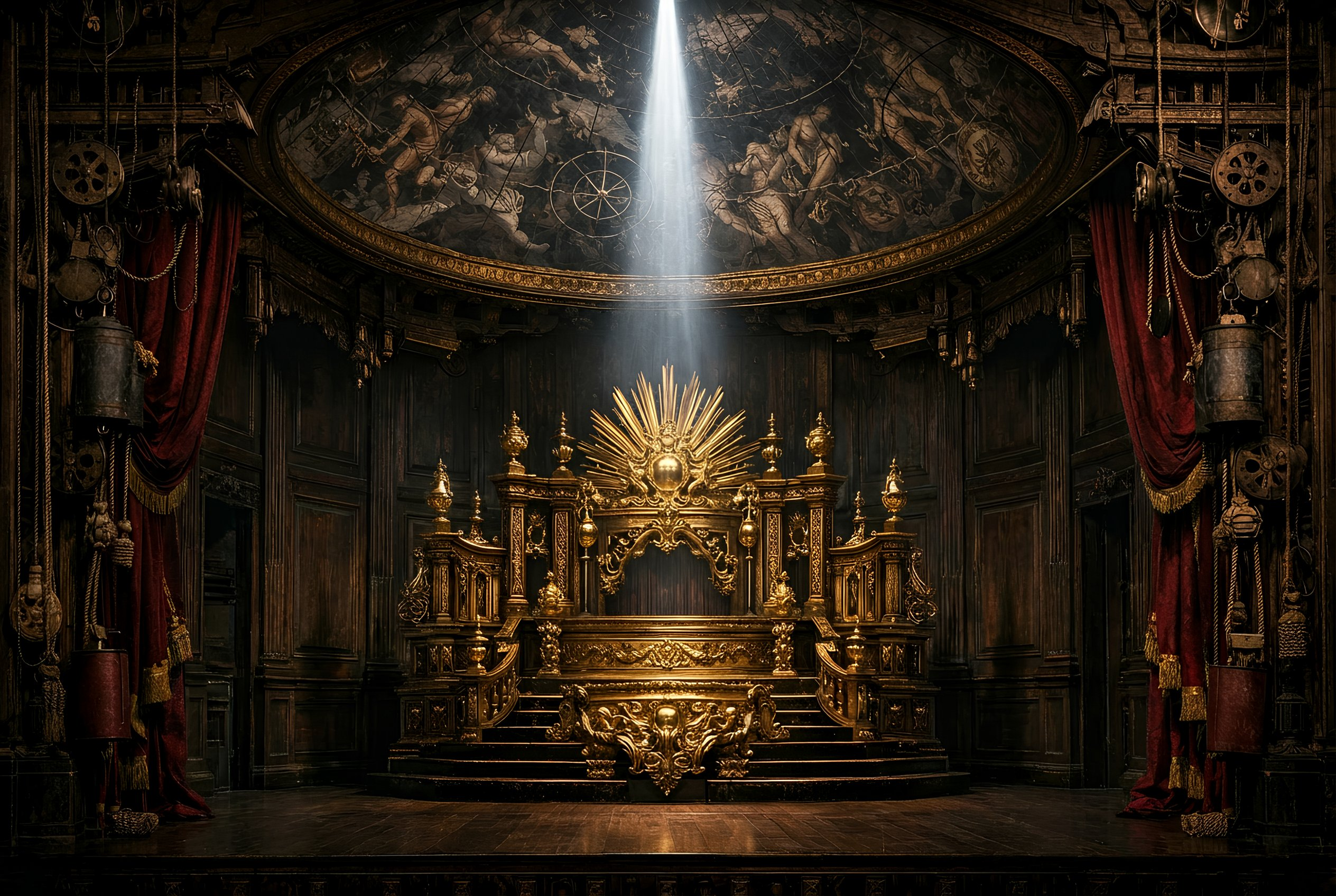
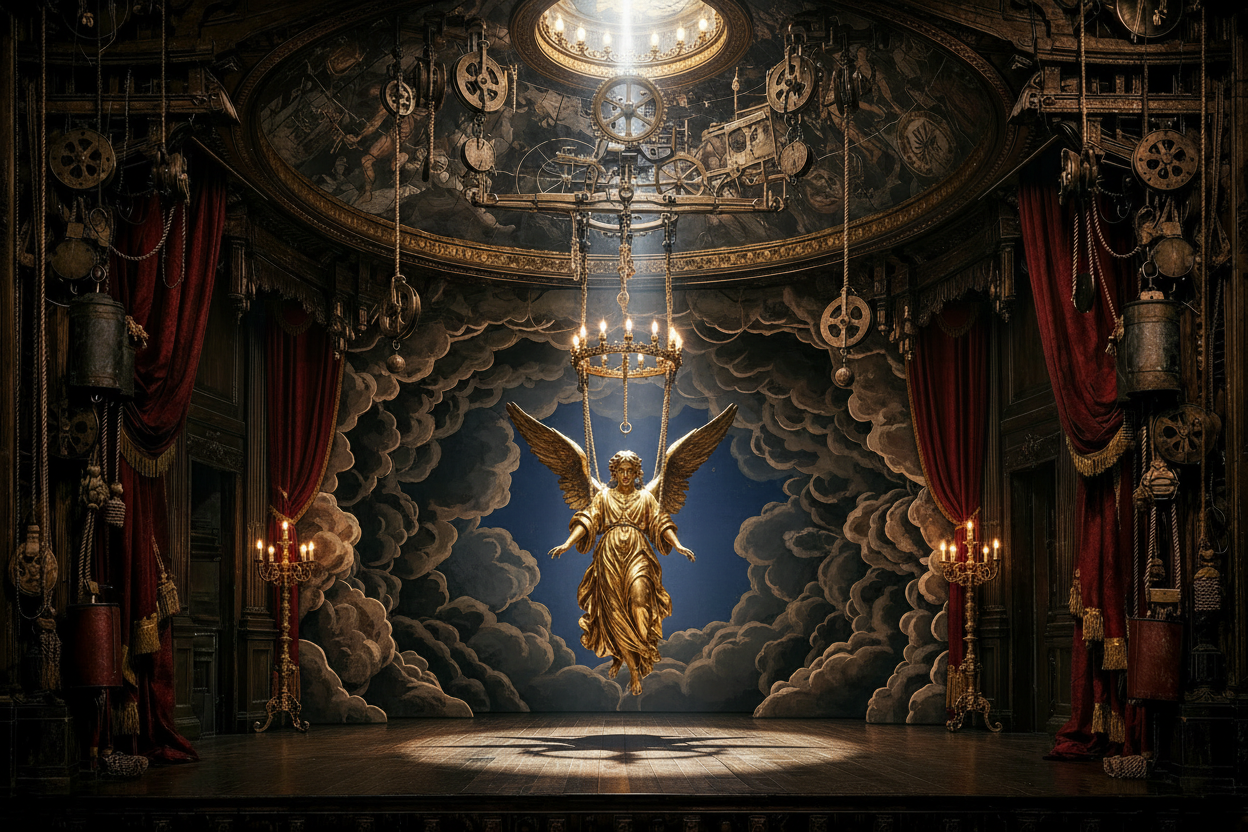
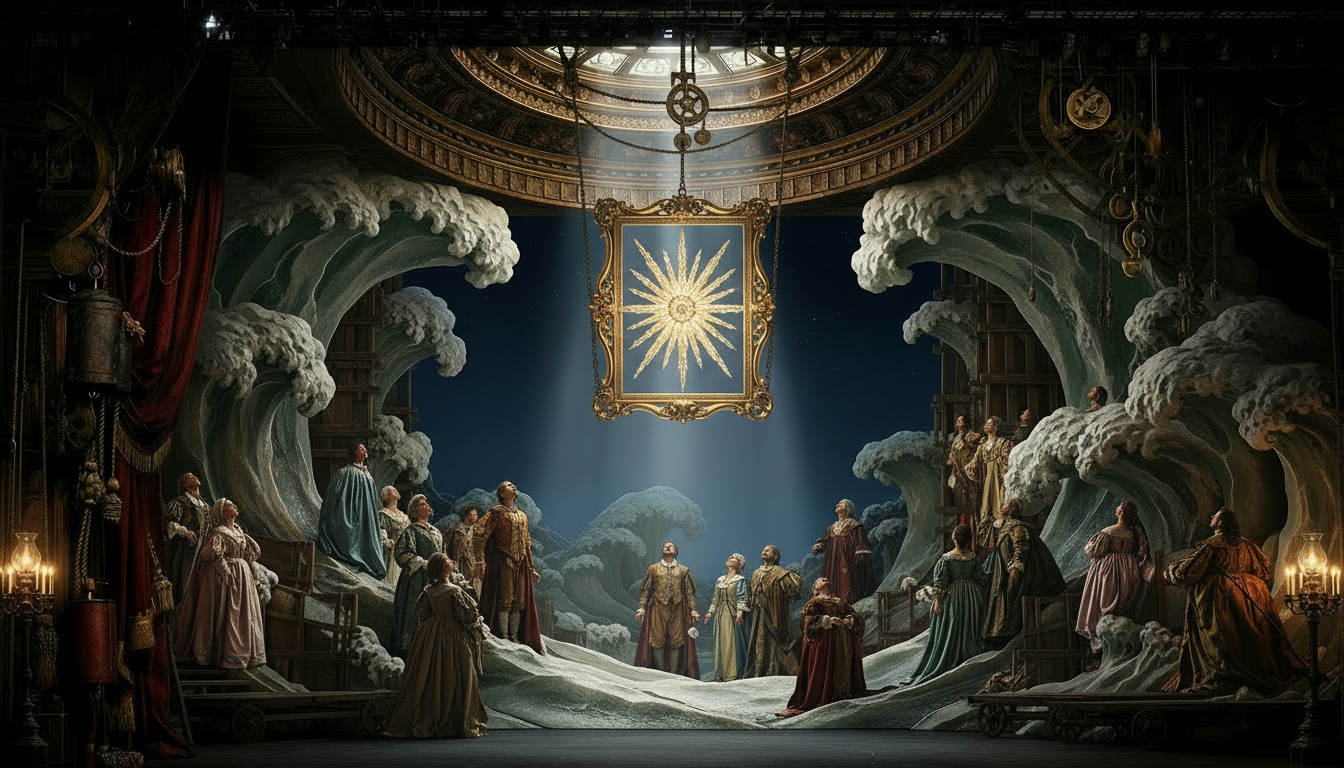
Research in baroque theatrical architecture: Sabbatini’s stage machines, luminous illusions, and the celestial mechanics of scenography
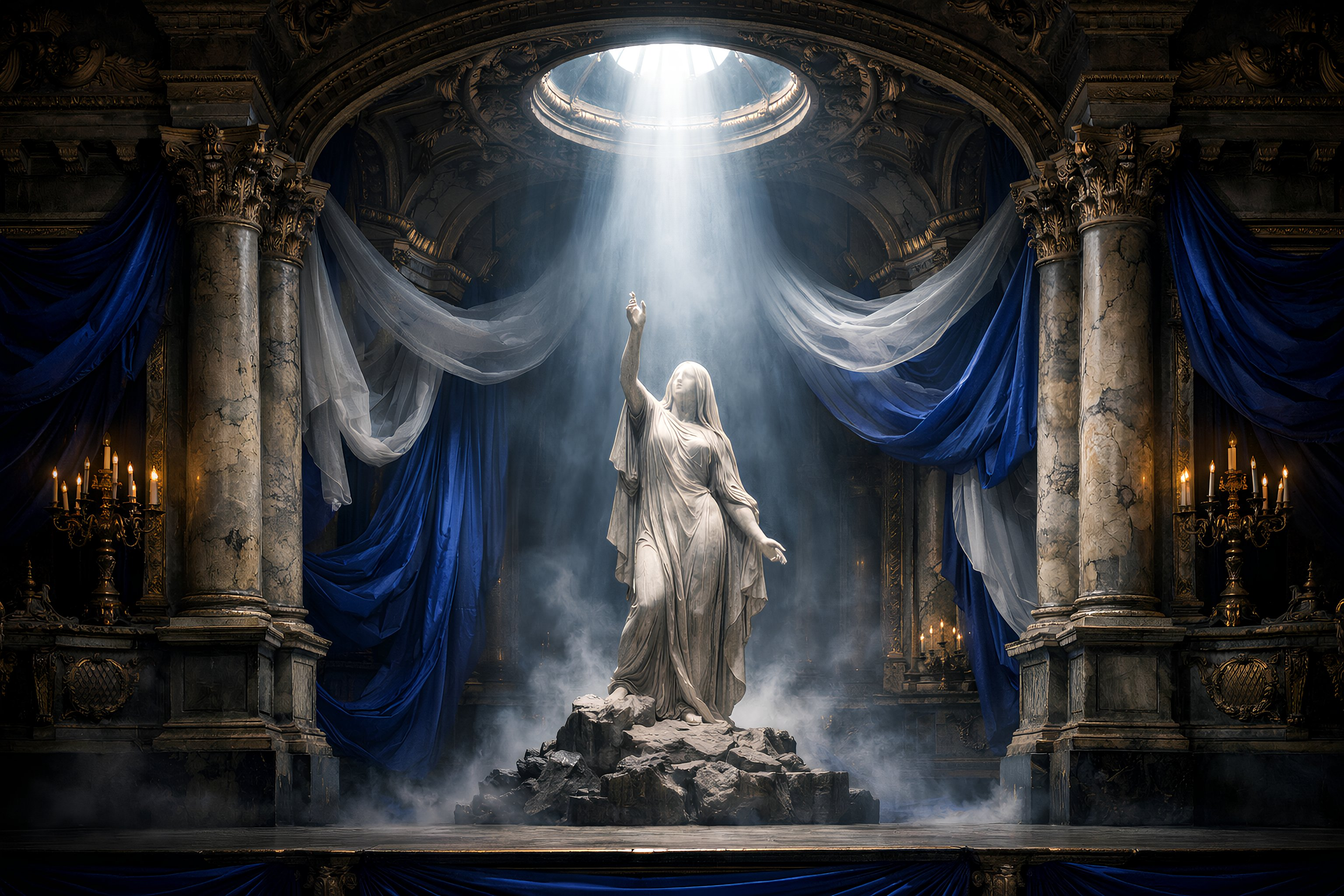
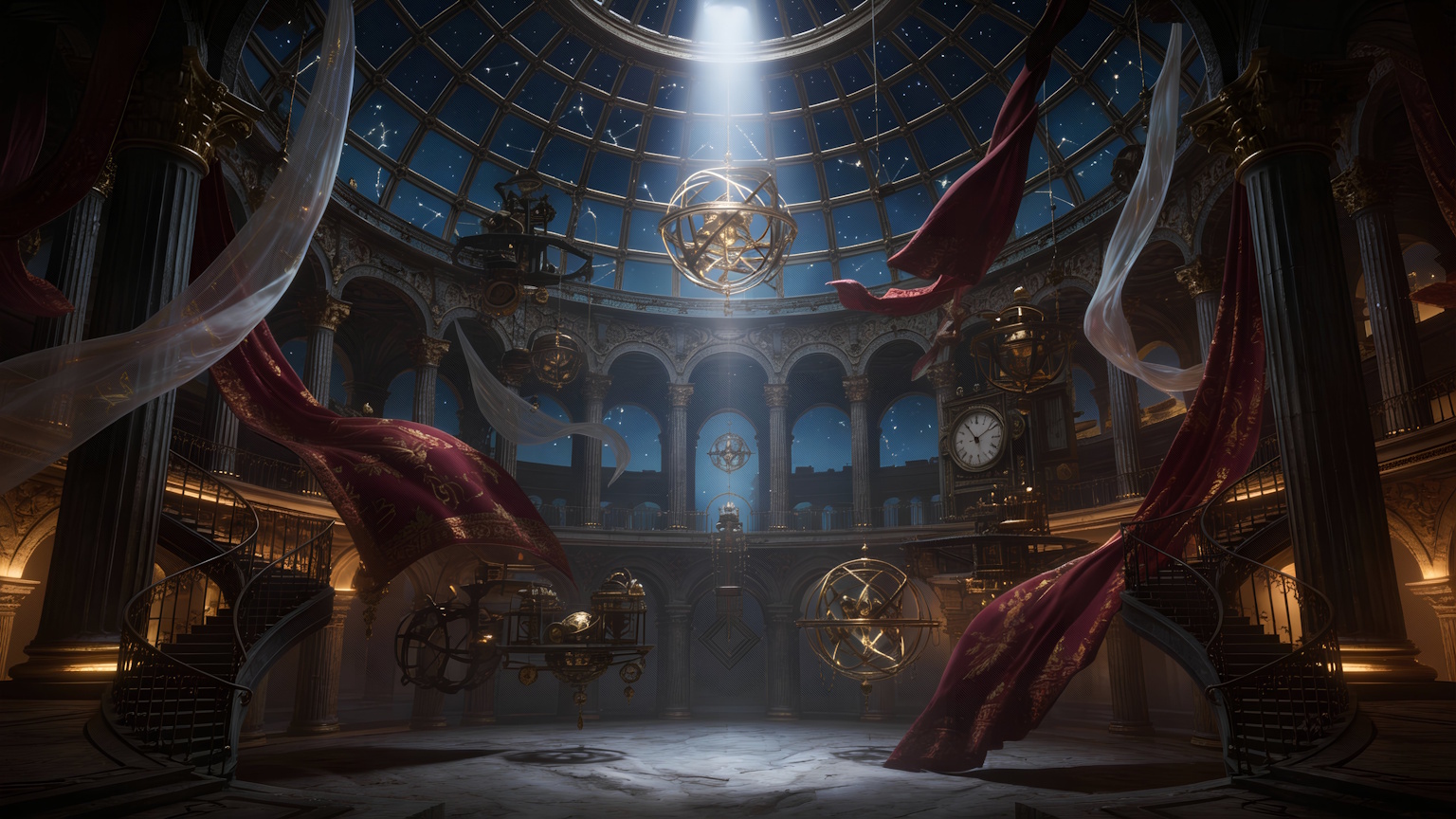
Research Statement
My ongoing research investigates the intersection of baroque theatrical engineering, proto-scientific optical devices, and contemporary digital scenography, focusing on how mechanical structures can become carriers of narrative, memory, and mythology. I study historical systems — Kircher’s cosmological machines, Sabbatini’s stage mechanisms, early automata, optical chambers, and organ architectures — and reinterpret them as living biomechanical environments.
My questions include:
— How can a machine function not only as a device, but as a dramatic entity?
— Can architectural mechanisms create ritual space in digital media?
— How does light act as a mediator between constructed and mythological worlds?
— What happens when scientific devices are treated as myth-making organisms?
Through animation, digital scenography, and AI-assisted visual research, I build mechanical cosmologies — multilayered environments that behave like symbolic, breathing systems.
My current cycle, Machine Hell / Organum Machina, has been selected for OSTEN Biennial Skopje 2026 and continues as a long-term investigation of mechanical mythologies, sentient architecture, and the dramaturgy of optical machines.
Tina Anderson’s artistic language has been recognized by international curators as a powerful synthesis of digital scenography, visual research, and a distinctive authored world.
As Margalit Berriet, Founder and Director of Mémoire de l’Avenir (Paris), notes, her works possess “expressive power and a high level of professionalism,” while exploring a rare space between human and machine, metal and flesh, darkness and beauty.
As Margalit Berriet, Founder and Director of Mémoire de l’Avenir (Paris), notes, her works possess “expressive power and a high level of professionalism,” while exploring a rare space between human and machine, metal and flesh, darkness and beauty.
Contacts
andersontina02@gmail.com